

Blown-in insulation: Is it finally time to pay attention to density?
10, 15, 20, 30, or 40 kg/m³: When discussing blown-in insulation, density is generally considered an installation specification. But can it also influence how the insulation actually performs once installed in an attic? In France, density is not a factor that is ignored. It plays a role […]

Complete Guide: Everything You Need to Know About Thermal Phase Shift
In the construction industry, thermal phase shift refers to the time it takes for a thermal wave to pass through a wall or material. In other words, it refers to the time lag between the peak outdoor temperature and the moment when this heat reaches the interior of the building. Understanding phase shift and how it is calculated […]

Heat Wave: Prevention Is Better Than Air Conditioning for Buildings
Today, heat-related deaths outnumber traffic fatalities. In 2025, more than 5,700 deaths were attributed to heat waves in France. That’s more than the number of traffic fatalities recorded for the entire year. This figure may come as a surprise. Yet the health consequences of heat waves are becoming increasingly apparent. For a long time, […]
Thermal insulation: a key factor in summer comfort
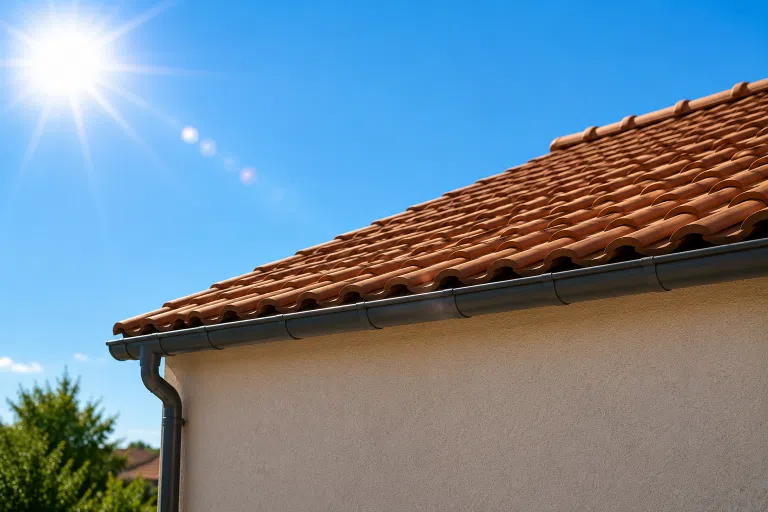
As heat waves become more intense, the performance of insulation can no longer be assessed solely by its thermal resistance (R) or lambda (λ). Two materials with the same R-value can provide vastly different levels of comfort in the summer. Why? Because some insulation materials significantly slow down and dampen heat transfer, while […]

Summer comfort: a key factor for insulation professionals
Summer comfort has become a major concern in insulation. Thermal mass, phase shift, and the choice of insulation material all determine a building’s ability to prevent overheating, particularly in unused attic spaces. This is an essential technical consideration for professionals.

Thermal insulation: Why is the R-value no longer enough?
Since 2025, several industry publications have documented a significant gap between the reported performance of insulation materials and their actual performance in the field. This article analyzes the available data and proposes a multi-criteria evaluation framework for insulation professionals.

Summer comfort in the south of France: a craftsman's experience with cellulose insulation
In the south of France, Domiso Isolation is using cellulose insulation improve summer comfort in homes. Feedback from a craftsman with 15 years of experience on construction sites.

“Bio-based building” decree approved by the Council of State: what are the consequences for insulation professionals?
The regulatory framework for bio-based materials has just taken a major step forward. In a decision dated February 23, 2026, the Council of State confirmed the legality of the decree governing the "bio-based building" label, putting an end to a dispute initiated by manufacturers in the traditional insulation sector. Beyond a simple legal debate, this […]

Why does the density of insulation change in unused attic space?
In attic spaces, two insulation materials can have exactly the same thermal resistance (R) and yet provide very different levels of comfort for occupants. This situation can be explained by a parameter that is often underestimated: the density of the material. Understanding the role of thermal phase shift and the dynamic behavior of insulation materials allows us to go beyond a reading that is solely focused on […]

Off-site construction: advantages for professionals
Faced with increasing pressure on deadlines, costs, and energy performance, traditional construction sometimes shows its limitations. For developers, single-family home builders, project managers, and construction economists, off-site construction is becoming an effective and structuring alternative solution. Among its many benefits, thermal insulation is a strategic advantage […]

Energy renovation 2026: comprehensive guide for project owners
In 2026, the situation will change for owners, developers, specifiers, and especially for the energy renovation sector. As France sets itself the ambitious goal of accelerating the renovation of existing homes and buildings, regulatory requirements, support mechanisms, and technical constraints are changing rapidly. To carry out an effective project, […]

RE2020 and bio-based insulation: how to maximize carbon storage in your projects?
Since January 1, 2025, RE2020 thresholds have been tightened: the Ic construction indicator has been reduced from 640 to 530 kg CO₂/m² for single-family homes, a decrease of 17%1. Faced with these new constraints, bio-based insulation is emerging as a strategic lever for complying with carbon limits while ensuring thermal performance. Analysis […]

Guarantees and insurability: why specify cellulose insulation ?
As a specifier, you have a ten-year liability for each project. Thermal insulation defects can render a building unfit for its intended purpose and lead to costly disputes. In light of these challenges, ACERMI certification for cellulose insulation essential legal and technical assurance. ACERMI: the essential benchmark […]

Resistance of cellulose insulation ceilings cellulose insulation what you need to know before insulating your attic
cellulose insulation be blown to a thermal resistance of 12 m²·K/W on a plasterboard ceiling that complies with DTU 25.41. Tests carried out by CERIB for ECIMA have shown that a BA13 ceiling can support a load of approximately 16 kg/m² of cellulose insulation without significant deformation. These results confirm the compatibility of this bio-based insulation with suspended ceilings, provided that the hangers and framework are dimensioned in accordance with technical specifications.
Which insulation materials are most effective against heat waves?
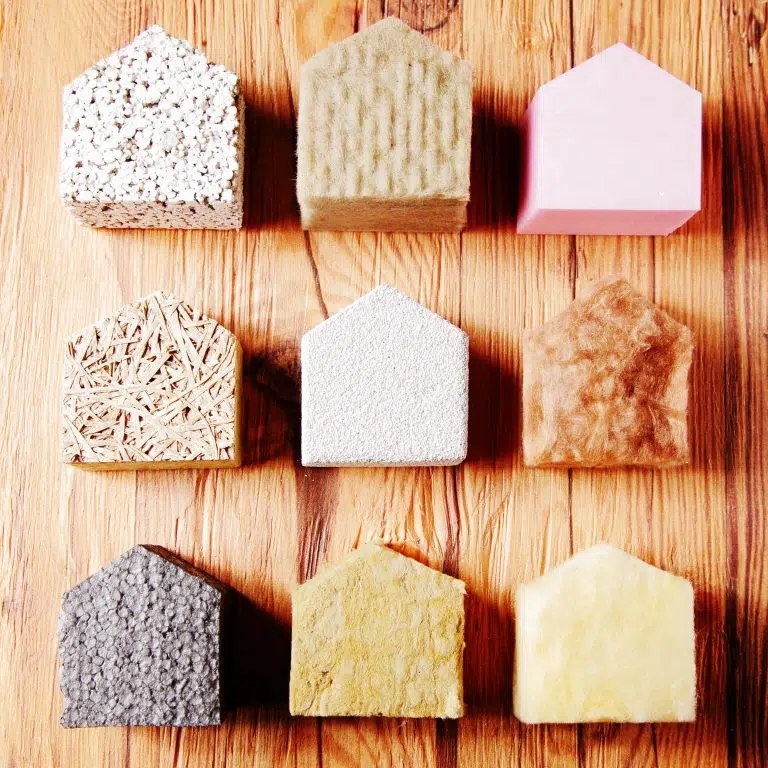
With increasingly hot summers and more frequent heat waves, France is facing a major climate emergency that directly impacts how we design and renovate buildings. Faced with this new reality, the building sector can no longer be content with simply providing comfort in winter. […]

What are the advantages of loose-fill insulation?
There are different types of materials used for thermal insulation: panel insulation (rigid, semi-rigid, and flexible), roll insulation, and loose-fill insulation. This third category is particularly effective at filling even the smallest gaps, thereby limiting thermal bridges. Popular for unused attic spaces, loose-fill insulation can […]

Energy savings thanks to insulation with cellulose insulation
Faced with constantly rising energy costs, renovation professionals are seeking effective solutions to reduce homeowners' consumption. Insulating unused attic space appears to be a relevant response to this issue. Among the materials available on the market, cellulose insulation for its performance and […]

4 homeowners share their opinions on cellulose insulation
cellulose insulation a thermal insulator that has been used for over a century in countries accustomed to extreme temperature variations. In France, it is the most widely used and least expensive bio-based insulation for attics. But what do those who have adopted it think? We gathered the opinions of four homeowners on […]